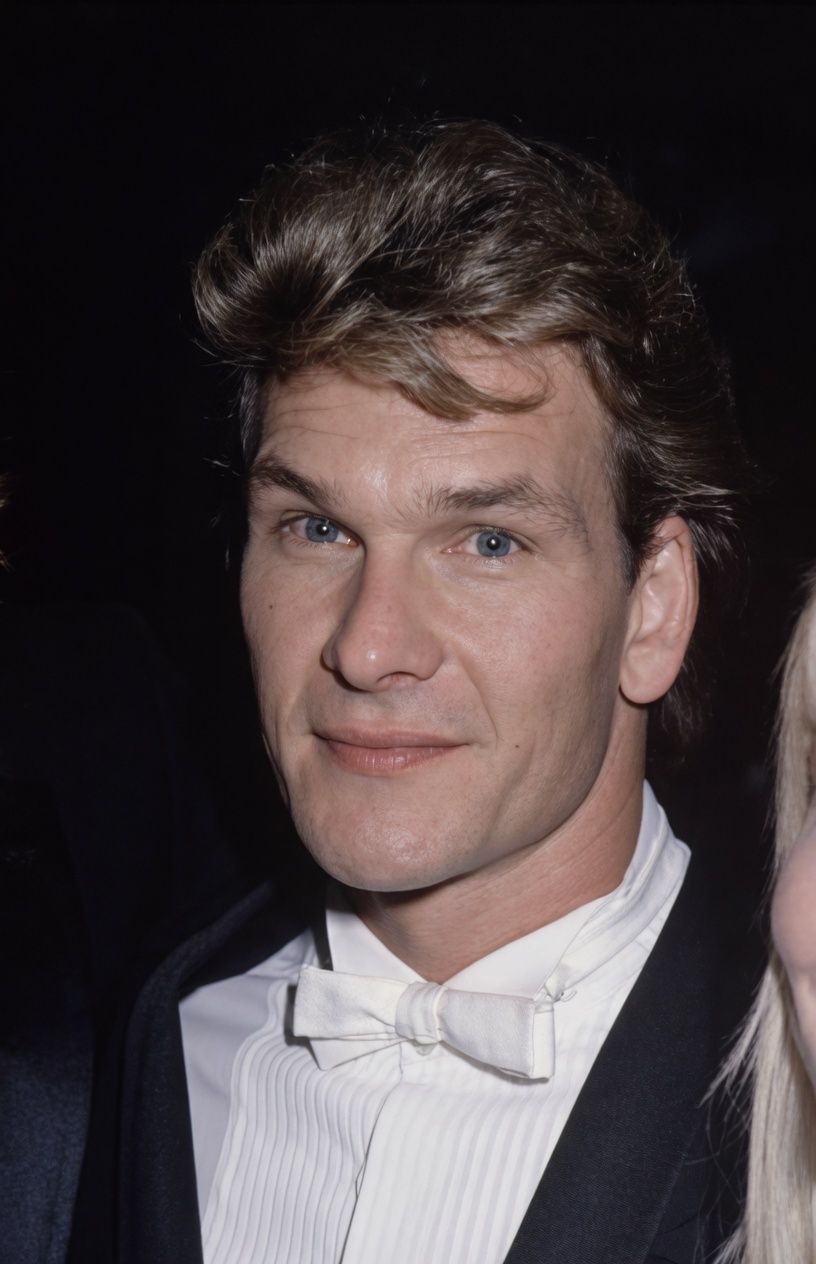
On May 19th, 1979, music history quietly unfolded behind closed doors. Far from stadiums, screaming fans, and the relentless glare of the media, three of the most legendary musicians of all time—Paul McCartney, George Harrison, and Ringo Starr—attended the wedding reception of fellow guitar legend, Eric Clapton. It was an event few would ever witness, and yet it remains one of the most fascinating and intimate glimpses into the lives of The Beatles after their meteoric rise to fame.
The gathering was not about publicity or performance. There were no cameras to capture smiles, no flashing lights, no staged moments for magazines. Instead, it was an evening of true friendship—a space where decades of history, rivalry, and shared triumphs melted into laughter, conversation, and subtle gestures of camaraderie. Guests later described the room as filled with warmth, humor, and an unspoken reverence for the bonds these men shared.
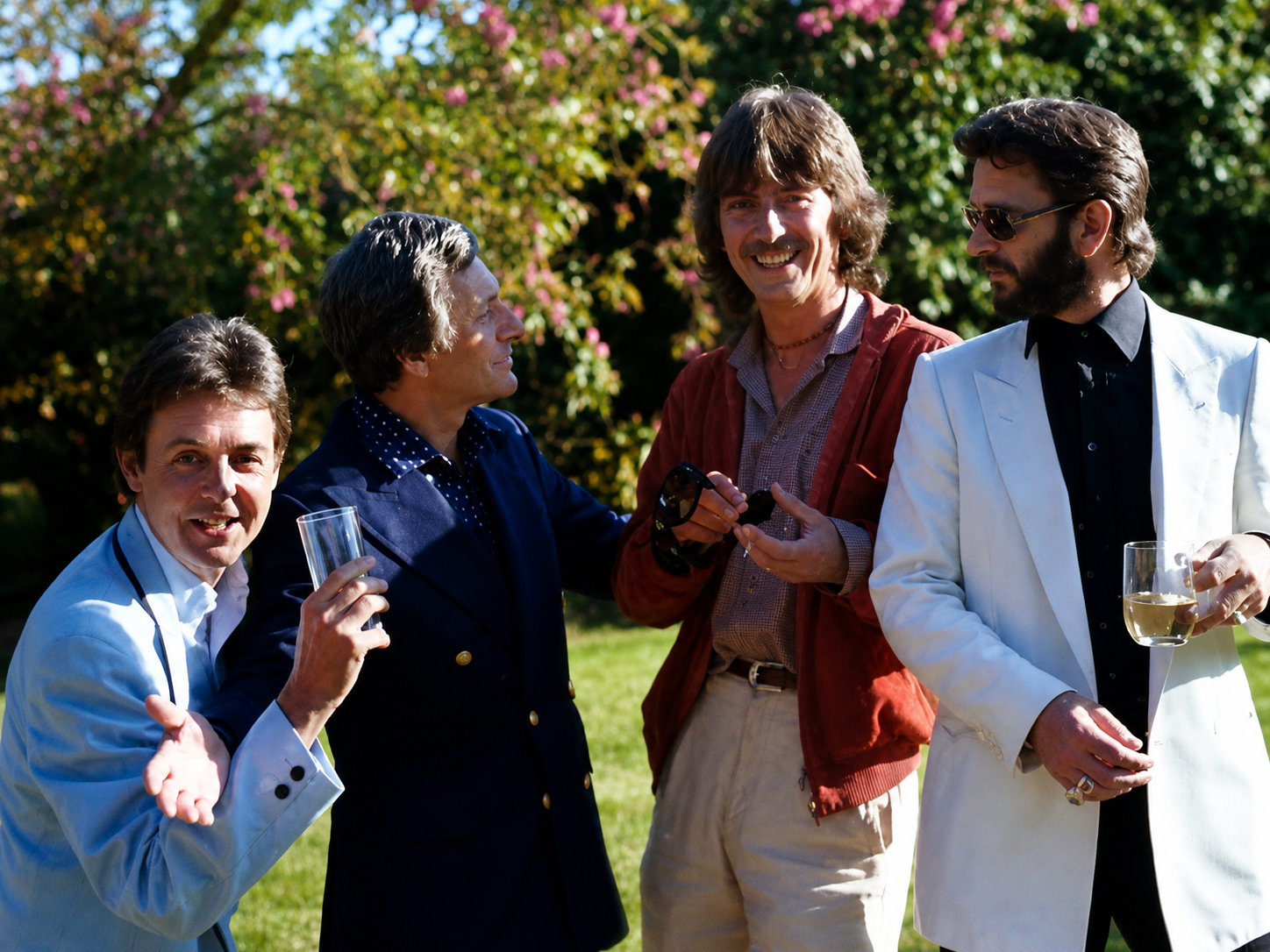
George Harrison, the quiet Beatle, exuded his signature calm presence, a contrast to the chaotic world that had once surrounded him. Paul McCartney, ever the charmer, softened into a friend rather than a legend, occasionally sharing stories of Liverpool streets, early gigs, and the pranks that had once punctuated their youth. Ringo Starr, the ever-loyal anchor, offered humor and grounding, bridging moments of nostalgia with the ease of someone who had witnessed the band’s entire journey. Together, they laughed, reminisced, and celebrated—not for the world, but for each other.
Perhaps the most remarkable aspect of the evening was how effortlessly their interactions reflected decades of shared history. Every glance, every joke, every pause held the weight of countless tours, albums, arguments, and reconciliations. It was a reminder that beyond the mythology of The Beatles, these men were lifelong friends who had weathered fame, fortune, and loss together.
Eric Clapton’s wedding reception became a rare sanctuary where the stories behind the legends could breathe. Moments that might have seemed ordinary to outsiders—like George adjusting his cufflinks, Paul quietly recounting a misadventure on tour, or Ringo humming a forgotten tune—were imbued with history, nostalgia, and an emotional depth that only true friendship can foster.
For fans and historians, this night remains a tantalizing mystery. Few photographs exist, fewer accounts detail the conversations, yet the significance resonates profoundly: it was proof that even after the end of a band that defined a generation, the bonds that formed in those early days endured. The Beatles were no longer performing together, but in that intimate room, the friendship, respect, and love between Paul, George, and Ringo shone brighter than any stage ever could.
This rare gathering reminds us that behind every headline, every record, every monumental performance, there were quiet moments like this—moments where music legends were, first and foremost, human beings. A celebration of love, friendship, and the unseen stories that make history all the more unforgettable.