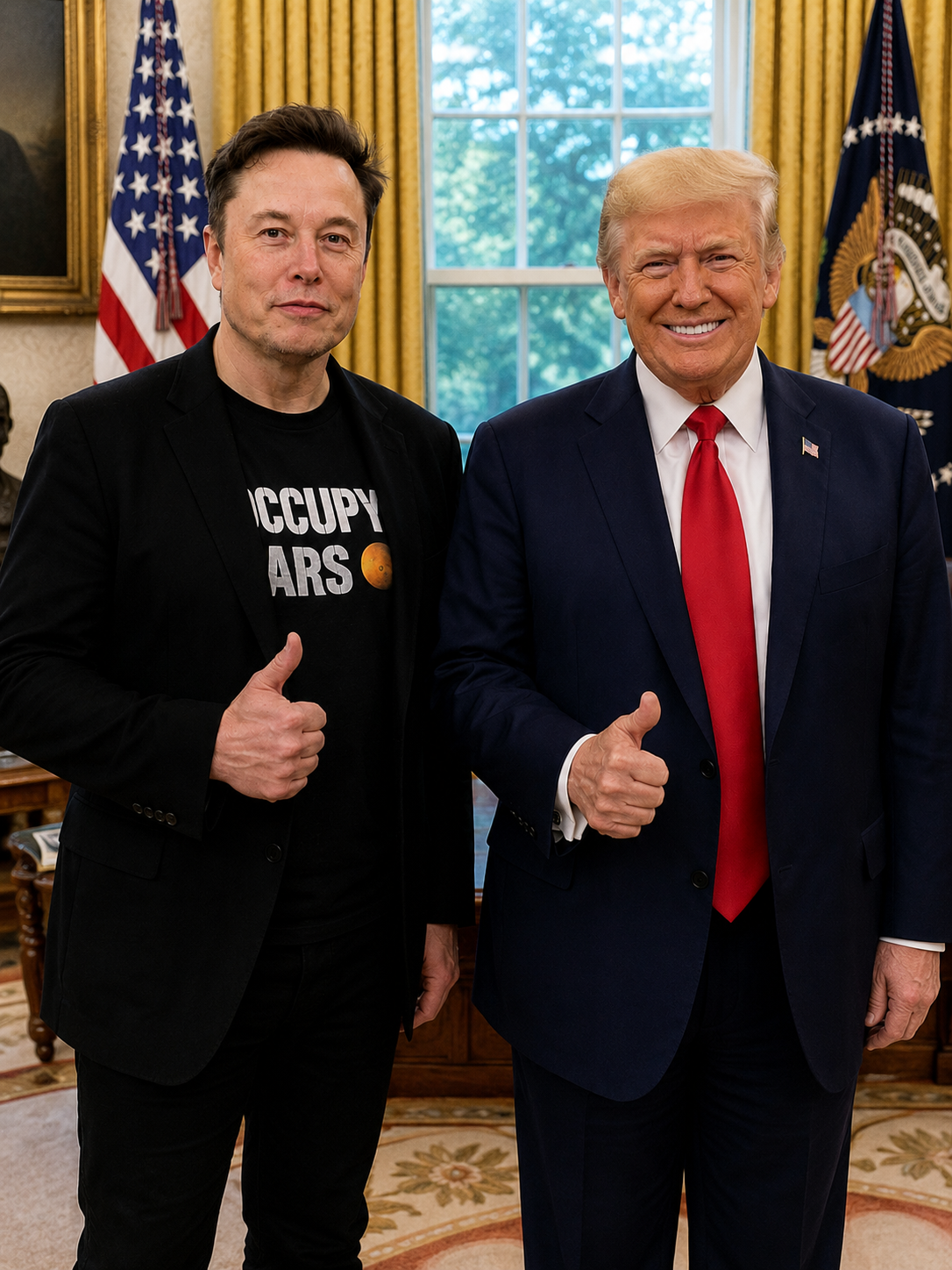
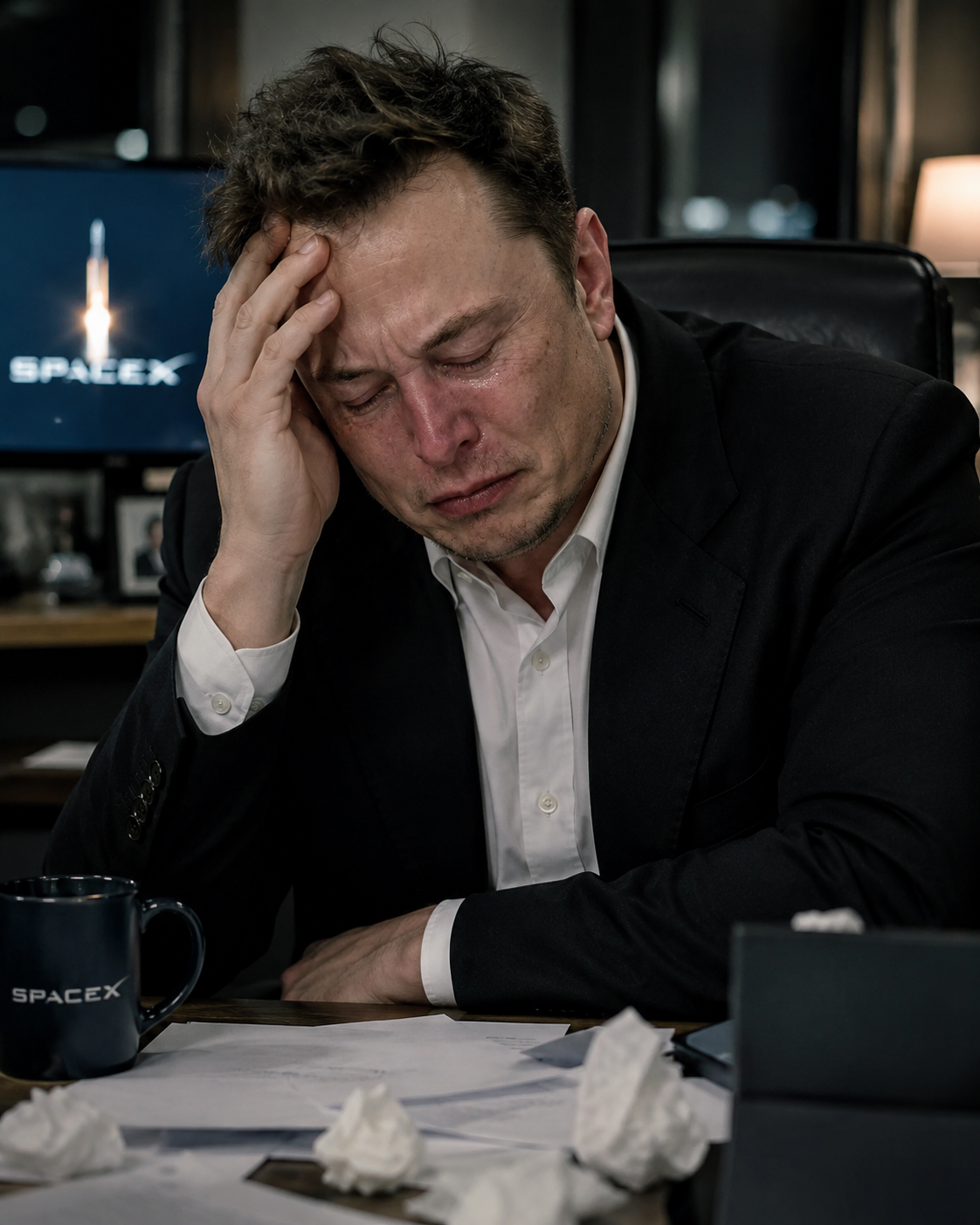
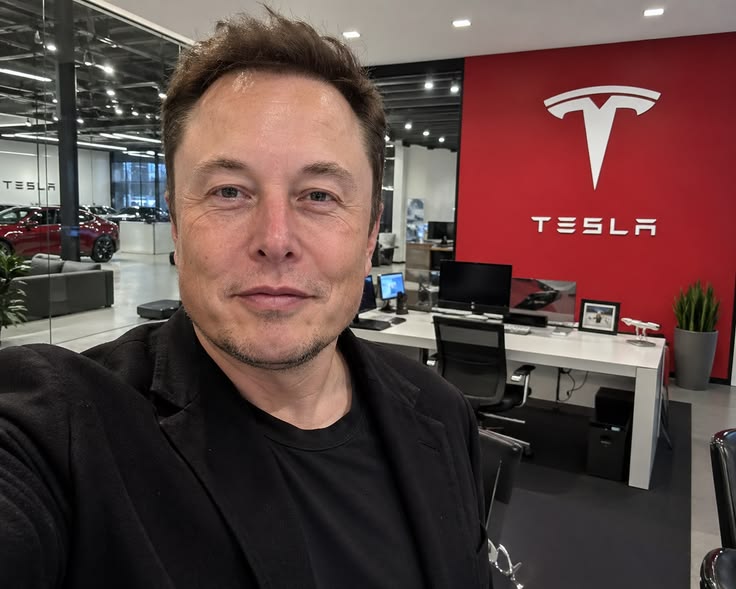
The relationship between Elon Musk and Donald Trump has long intrigued the public, blending elements of collaboration, mutual interest, and occasional tension. Musk, the innovative entrepreneur behind Tesla and SpaceX, has often intersected with Trump’s policy initiatives, particularly in areas like space exploration, technological innovation, and economic growth. During Trump’s presidency, Musk briefly joined advisory councils aimed at boosting American industry, highlighting a period of collaboration driven by shared goals for advancing U.S. technology and competitiveness.
Yet, the relationship has also faced friction. Musk’s outspoken positions on climate change, renewable energy, and social issues have sometimes clashed with Trump’s policies, creating moments of public disagreement. This duality raises the question: are Musk and Trump strategic allies leveraging mutual influence, or cautious partners navigating differing visions? The answer may lie somewhere in between—a pragmatic interaction shaped by overlapping interests but moderated by their distinct priorities and public personas.
Ultimately, the Musk-Trump dynamic reflects the complex intersection of innovation, politics, and power in contemporary America. Their interactions continue to spark debate, leaving observers wondering whether future collaborations will flourish or whether ideological differences will define the relationship.