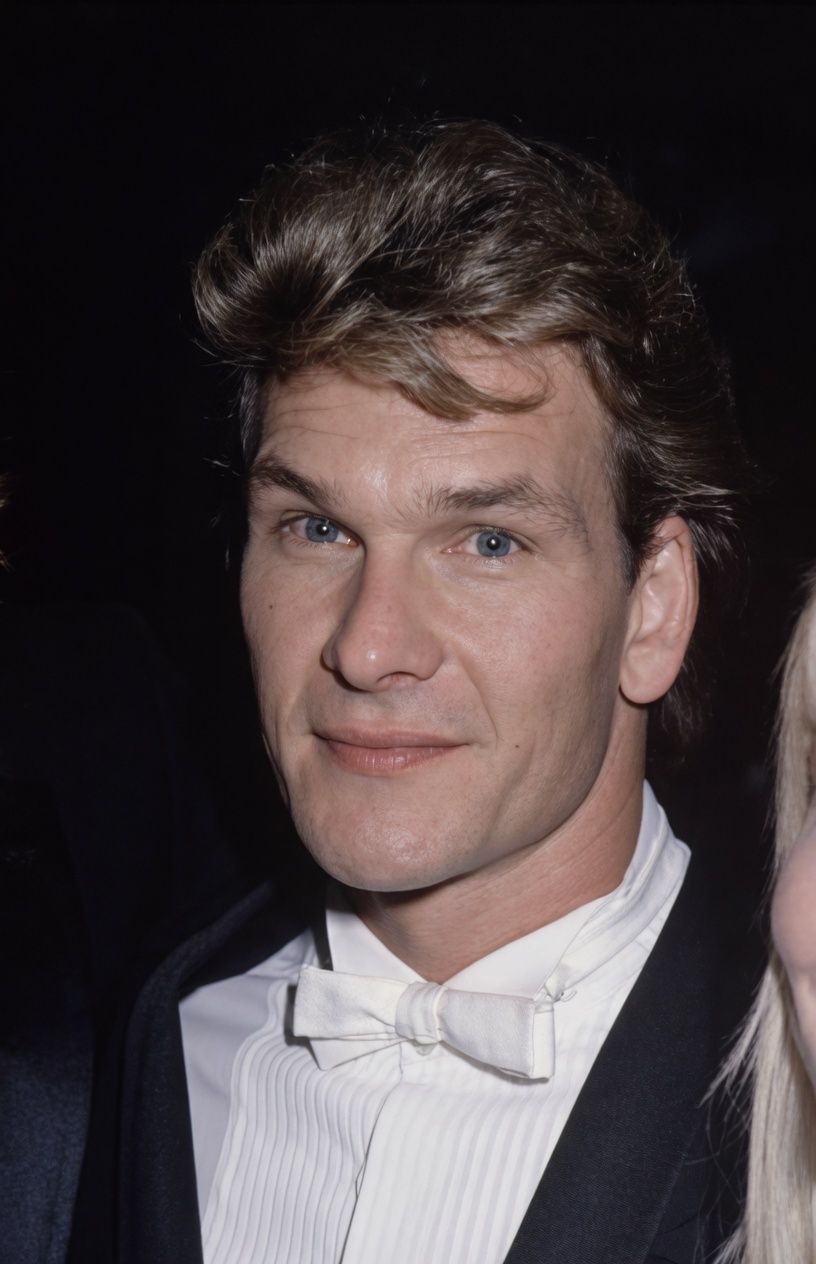
There is a quiet story about George Harrison that lingers in the hearts of those who knew him best—not for the fame, the legend, or the applause, but for what it reveals about the depth of his character. In his final days, as illness weakened his body and the world he had moved through with such effortless grace grew hushed and still, the music, the crowds, and the noise of a lifetime faded. What remained was the essence of the man himself: gentle, fully aware, and profoundly present.
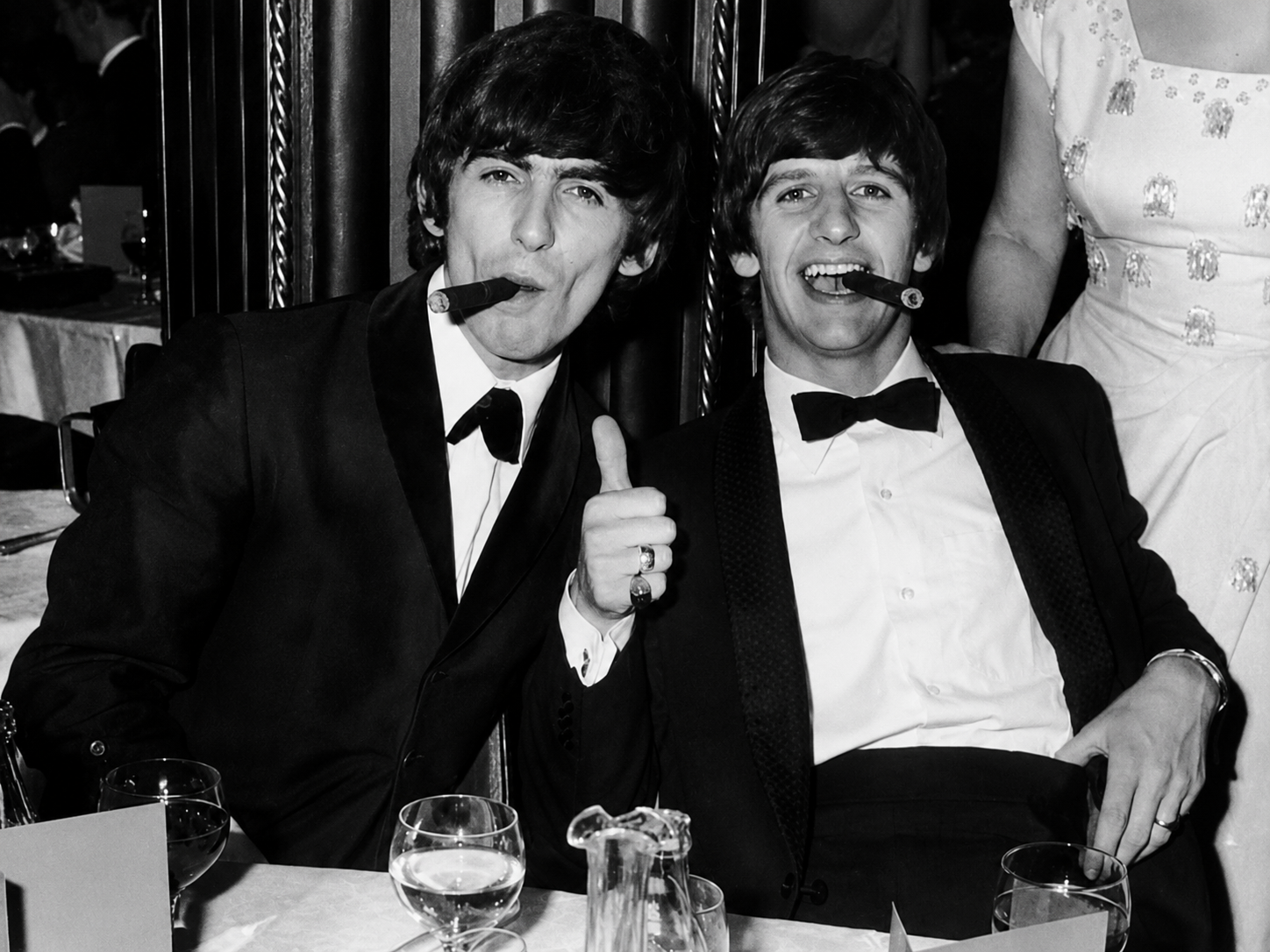
During that time, his longtime friend Ringo Starr came to visit, carrying a heavy burden of his own. Ringo’s daughter was seriously ill in Boston, and he needed to leave to be by her side. The air was thick with urgency, but also with a quiet sorrow that words could hardly capture. George listened with a calm attentiveness, his mind not on his own suffering, but on his friend’s worry, his heart focused outward even in the face of his own mortality.
Then came the words that would stay forever in Ringo’s memory: “Do you want me to come with you?” It was a simple question, yet it carried the weight of a lifetime. It was not a logical proposal, nor a theatrical gesture. It was George Harrison distilled: a man whose instinct had always been to care for others, to offer comfort, presence, and love, even when he himself had little left to give. That moment—quiet, understated, profoundly human—speaks more powerfully than any song he ever wrote.
George’s life was defined by a pursuit of meaning beyond the surface of fame and fortune. Known as the “quiet Beatle,” he sought answers to life’s greatest questions through music, meditation, and spiritual exploration. He once said, “Everything else can wait, but the search for God cannot wait.” And in that final exchange with Ringo, we glimpse what he had truly discovered: a serenity that allowed him to give without hesitation, to love without condition, and to remain present until the very end.
Even as he departed the world in November 2001, George’s presence endures—not only in the songs that have shaped generations but in moments like this, which reveal the quiet heroism of a man whose heart always extended beyond himself. The question, “Do you want me to come with you?” becomes more than words; it is a testament to a life lived in humility, compassion, and unassuming generosity. It is a reminder that behind the music, behind the legacy, was a soul who never stopped caring—and whose spirit continues to touch the lives of all who listen.