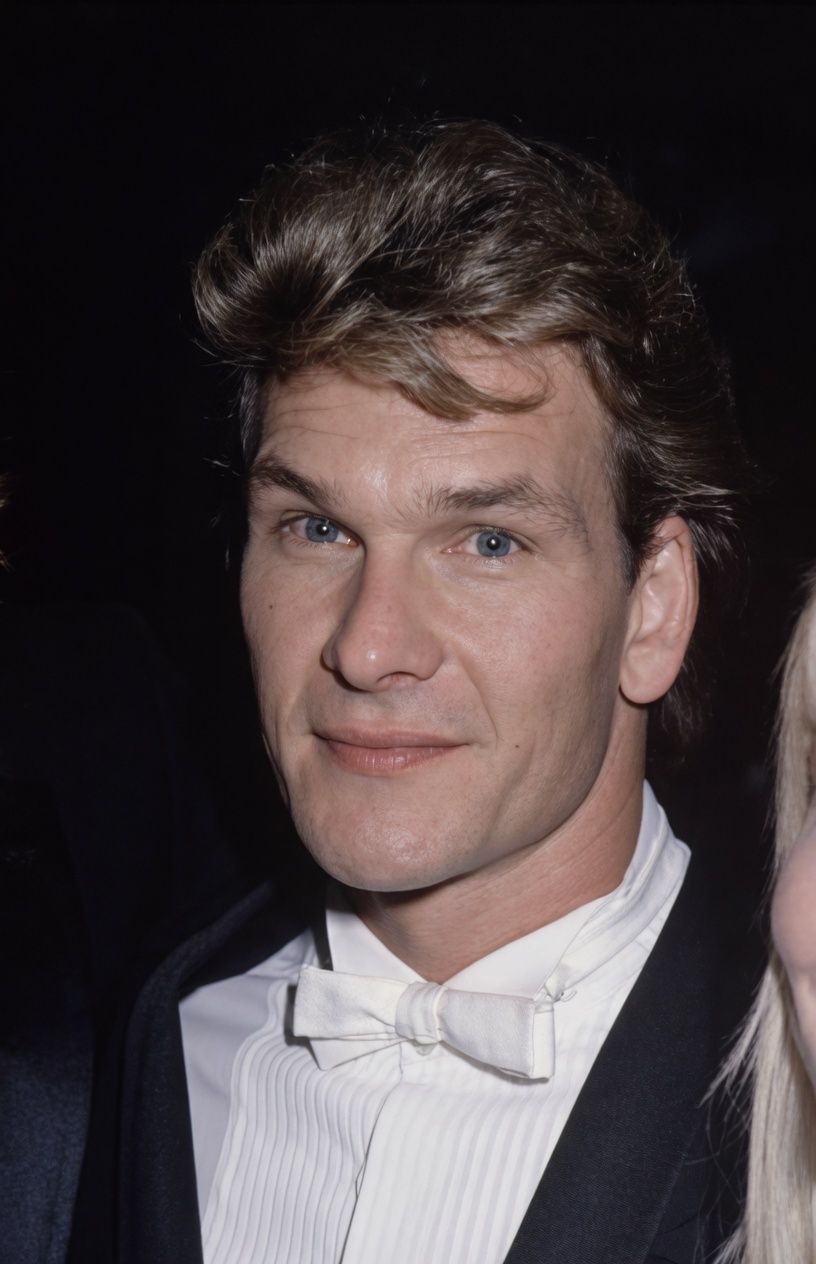
In 1966, George Harrison penned one of the most profound and emotionally resonant songs of his career: “Isn’t It a Pity.” Yet, despite its sweeping melody and universal themes, the track was flat-out rejected by his own bandmates, John Lennon and Paul McCartney. Imagine holding a musical gem in your hands—one that expresses heartbreak, empathy, and the weight of human relationships—only to be told, “No, it won’t work here.” For George, that rejection was a quiet but cutting moment that foreshadowed the tensions within The Beatles.
The song was initially offered during the Revolver sessions and again during the White Album preparations. At the time, John and Paul dominated the songwriting space, leaving George limited opportunities. But “Isn’t It a Pity” was not a throwaway tune; it was an anthem about human indifference, emotional pain, and the small wounds we inflict upon each other—truths that transcended pop songwriting conventions.
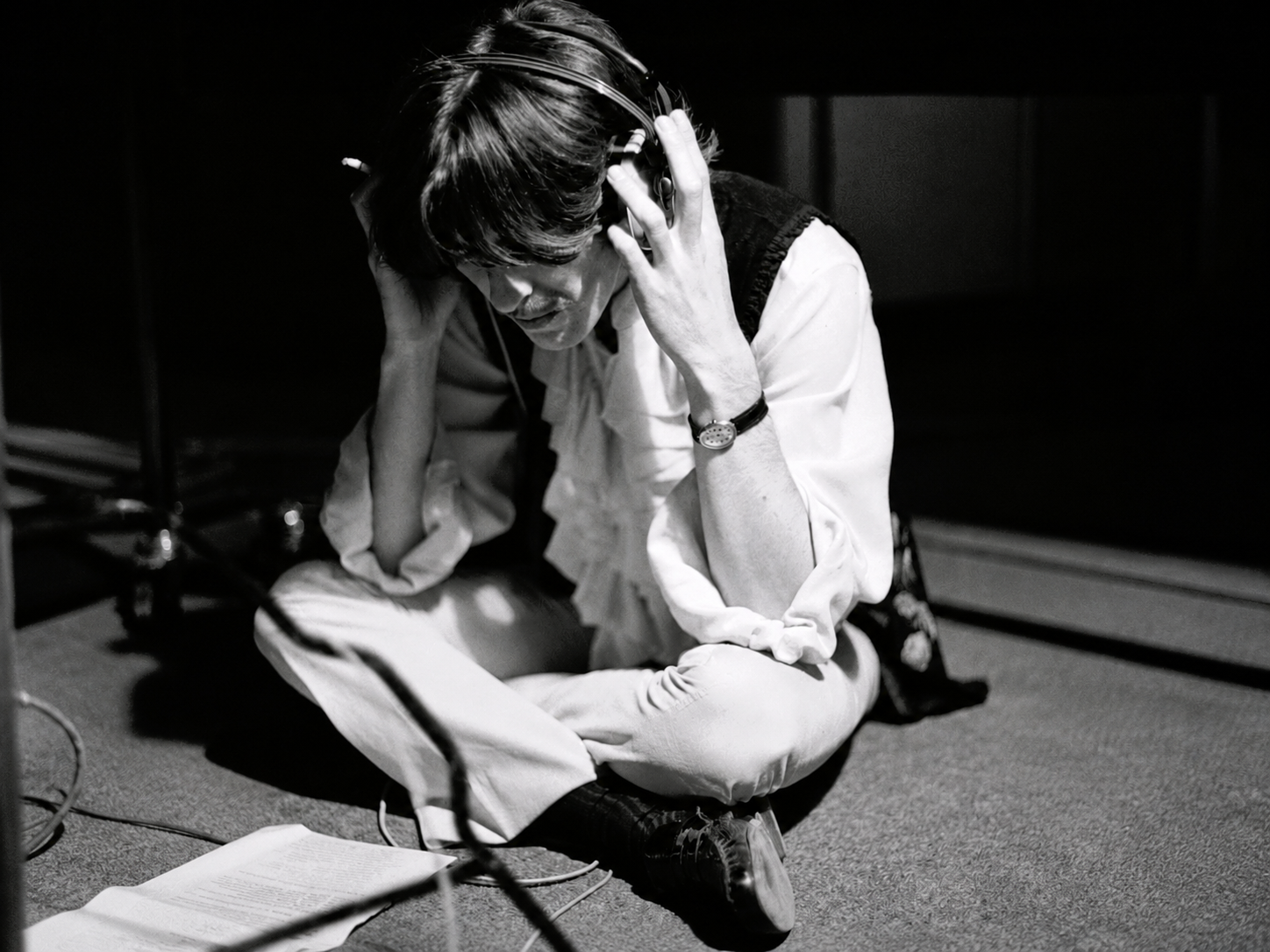
Detailed studio logs from January 1969 show George at the piano, meticulously demonstrating the song’s minor-key chord progressions to a distracted room of bandmates. McCartney reportedly criticized its repetitive structure, claiming it was too static for a live-in-studio performance. This dismissal wasn’t just a critique of a song—it became a catalyst for George’s growing frustration and his eventual emotional withdrawal during sessions, highlighting the structural and creative cracks appearing within the band.
It wasn’t until 1970 that the song found its rightful place on George’s solo album, All Things Must Pass. By this time, the track had evolved into a six-minute orchestral meditation. Under Phil Spector’s legendary Wall of Sound, George’s private reflection transformed into a cinematic raga: lush strings, layered harmonies, twin drum tracks by Ringo Starr and Alan White, backing loops from Badfinger, and John Barham’s sweeping orchestral arrangements. The result was a sonic wall of emotional intensity that mirrored the spiritual weight and karmic reflection inherent in the song’s lyrics.
“It’s a shame, how we break each other’s hearts and cause each other pain…”—these words, softly sung, became an almost universal lament. It was no longer about George alone; it became a hymn for empathy, a musical meditation on human interaction and regret.
Interestingly, the final arrangement included a four-minute instrumental coda intentionally echoing Paul McCartney’s “Hey Jude” structure. The na-na-na vocal pattern was replaced with a spiritually grounded chord progression, a subtle yet brilliant musical statement. George wasn’t just completing a song; he was asserting his artistic independence, showing the world he could transcend the Lennon-McCartney shadow and produce music of unparalleled depth and vision.
The song’s journey—from rejection to triumph—illustrates more than Harrison’s perseverance. It shows the tension between genius and collaboration, the struggle for creative autonomy, and the way profound art can emerge only after trials, rejection, and growth.
Today, “Isn’t It a Pity” stands as one of George Harrison’s defining masterpieces, a testament to his spiritual depth, musical innovation, and emotional honesty. It’s a reminder that sometimes the greatest works must wait for their moment to be fully realized.