On June 2, 1967, something extraordinary happened in Los Angeles that no one had ever seen before: radio stations played an entire album on repeat for 24 hours straight. The album? Sgt. Pepper’s Lonely Hearts Club Band by The Beatles. America paused, the world leaned in, and a cultural phenomenon was cemented.
This wasn’t just another Beatles release. It was the first time a Beatles album was released with the exact same tracklist in both the UK and the U.S.—and the band demanded it. No cuts. No rearrangements. Every note, every transition, every hidden sound had to be heard exactly as they intended. And the public responded in kind.
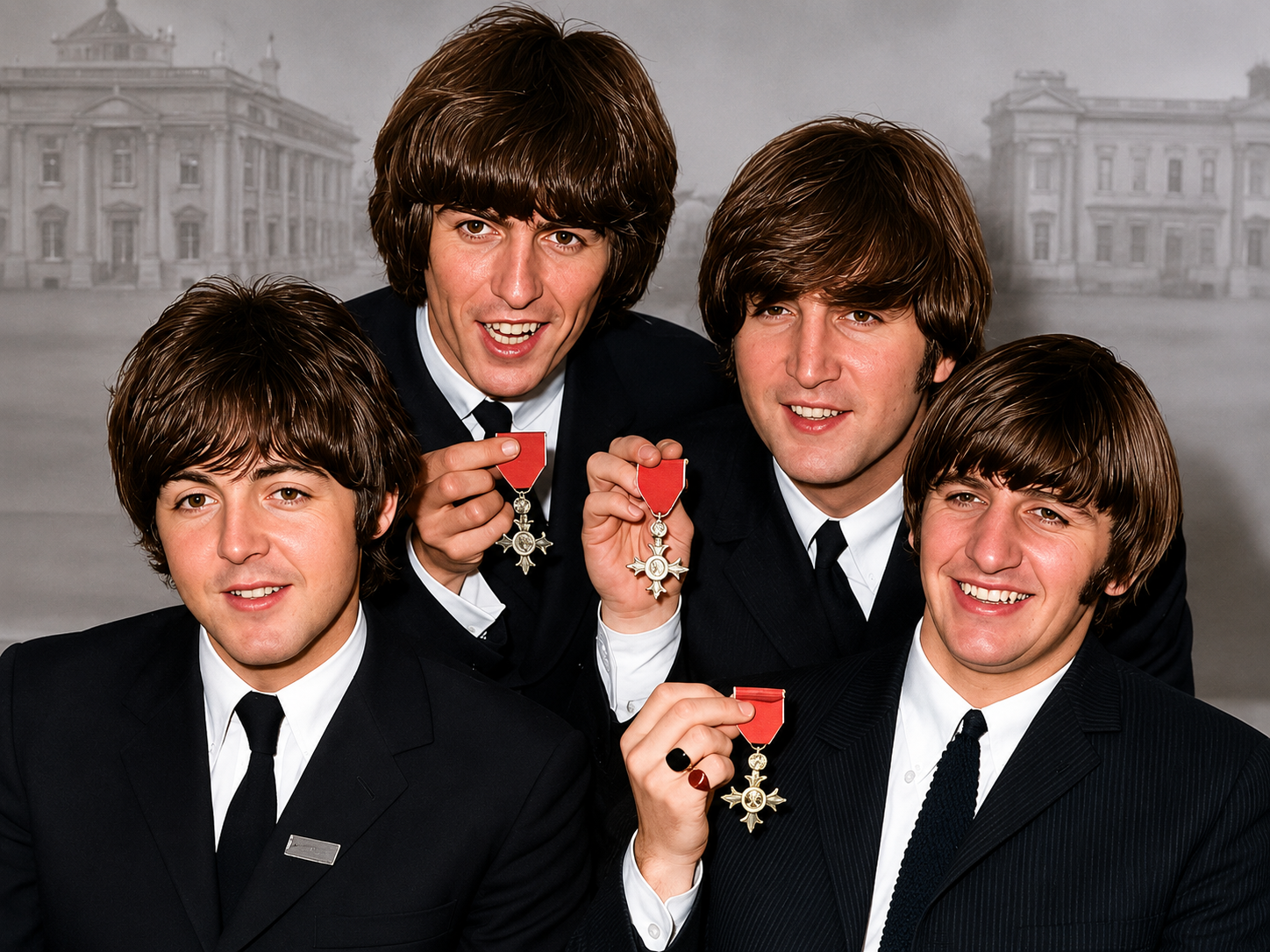
Listeners in L.A. and across the country were captivated. Radio stations ran the album non-stop—all day, all night, without interruption. Fans discovered hidden details, subtle orchestral flourishes, and psychedelic sounds that transformed listening into an experience that felt almost spiritual. It wasn’t background music; it was an event, a cultural landmark that turned ordinary days into shared musical history.
The results were staggering. In just three months, Sgt. Pepper sold 2.5 million copies, holding the #1 spot on the Billboard charts for 15 consecutive weeks. The album earned four Grammys, including Album of the Year—the first rock album ever to receive the honor. Critics, musicians, and fans alike hailed it as a masterpiece, redefining what an album could be and expanding the boundaries of popular music forever.
Even 59 years later, and with over 32 million copies sold worldwide, Sgt. Pepper’s Lonely Hearts Club Band remains at the top of virtually every “greatest album of all time” list. Its influence stretches far beyond music, inspiring fashion, visual art, and the very notion that an album could be a cohesive, immersive artistic statement rather than just a collection of songs.
This was more than an album—it was a declaration that music could change culture. That listening could be an experience, a journey, a shared moment of wonder. Every time someone presses play on Sgt. Pepper, they are joining a tradition that began on June 2, 1967—a revolution in sound, forever echoing through time.