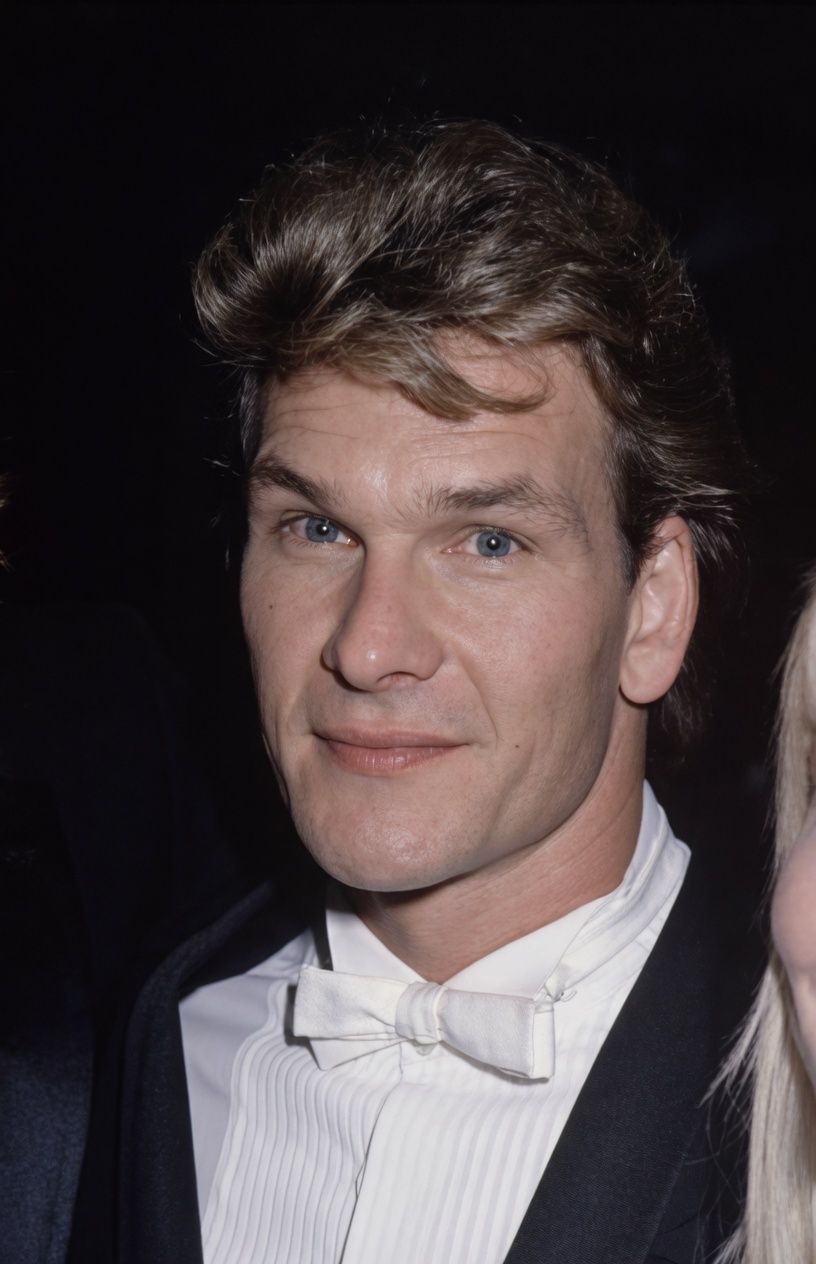
Elvis Presley is celebrated as the King of Rock and Roll, a cultural icon whose music, style, and charisma shaped generations. Yet behind every iconic performance, every sold-out arena, and every screaming fan, lies a deeply human story—his complex relationship with his father, Vernon Presley. This bond, layered with love, discipline, tension, and guidance, profoundly influenced Elvis’s life, career, and legacy.
Early Life: Foundations in Tupelo
Born in Tupelo, Mississippi, in 1935, Elvis grew up in humble surroundings. His parents, Vernon and Gladys Presley, worked hard to provide for their family, instilling values that would later guide the King’s life. Vernon, in particular, was a strict and practical man, deeply invested in his son’s future. He noticed Elvis’s early musical talent and became the first person to nurture it.
Vernon’s influence extended beyond mere encouragement. He provided opportunities, guidance, and sometimes tough discipline. From giving Elvis his first guitar to accompanying him to early performances, Vernon played a central role in shaping Elvis’s ambition and work ethic. However, this influence came with challenges. His high expectations and desire to protect his son sometimes created tension, laying the foundation for both inspiration and conflict in Elvis’s personal and professional life.
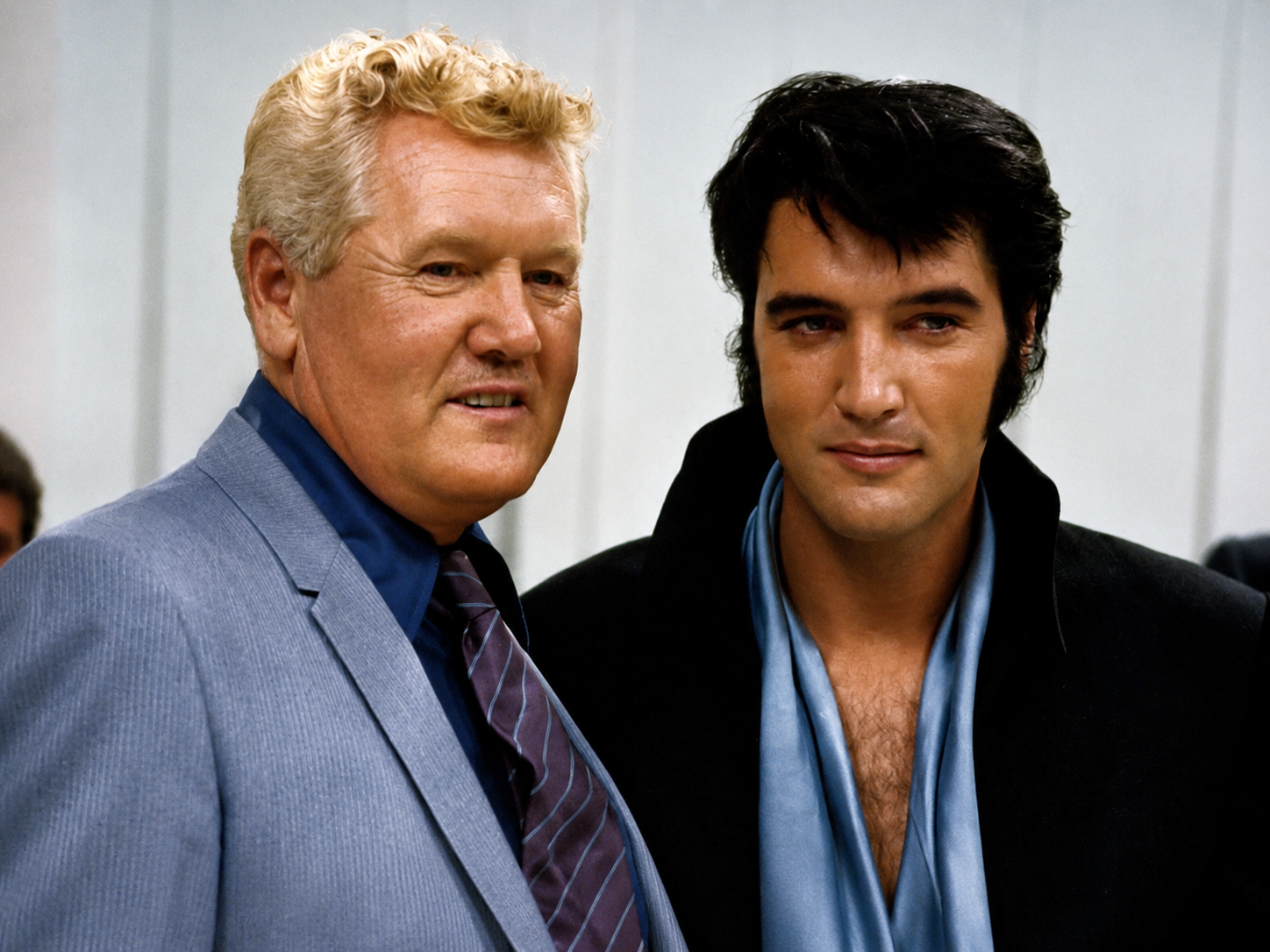
Navigating the Spotlight: The Challenges of Fame
As Elvis rose to prominence in the 1950s, the pressures intensified. Vernon remained an influential figure, overseeing career decisions, managing contracts, and ensuring Elvis’s path stayed focused. Yet, the rapid rise to superstardom brought immense personal pressure. The world expected perfection from Elvis—every performance, recording, and appearance was scrutinized.
The relationship between father and son faced its own pressures. Vernon’s protective nature sometimes conflicted with Elvis’s desire for independence, creating a delicate balance between guidance and personal freedom. These dynamics highlighted the human side of a man often perceived only as a legend. Behind the sequins and lights, Elvis struggled with exhaustion, public scrutiny, and the relentless demand to meet the King’s image.
Triumphs and Lessons
Despite these pressures, Vernon’s early guidance helped Elvis navigate the complexities of fame. His discipline and practical approach provided structure, allowing Elvis to seize opportunities that ultimately shaped his career. From his breakthrough recordings at Sun Studio to his national television appearances and global tours, Elvis’s early foundation in Tupelo, under the watchful eye of his father, enabled him to thrive under circumstances that would have overwhelmed most performers.
Yet, their relationship was not without conflict. Elvis, a man of immense creativity and emotion, often struggled to reconcile his own desires with his father’s expectations. These tensions, however, became part of what drove Elvis to innovate, experiment, and push the boundaries of music and performance.
Legacy and Lasting Influence
The story of Elvis and Vernon Presley is more than a tale of parent and child—it’s a window into the forces that shaped a cultural icon. Vernon’s influence is evident not only in Elvis’s work ethic but also in his resilience, discipline, and ability to handle unprecedented levels of fame. At the same time, Elvis’s journey reflects the human side of legendary status: the struggles, sacrifices, and emotional complexity behind the King of Rock and Roll.
Understanding this relationship gives fans and historians alike a richer perspective on Elvis Presley. He was not just a performer adored by millions; he was also a son, navigating expectations, love, and authority while leaving a lasting mark on music and culture. The bond with his father reminds us that even legends are shaped by family, and that greatness often grows from love, challenge, and guidance.