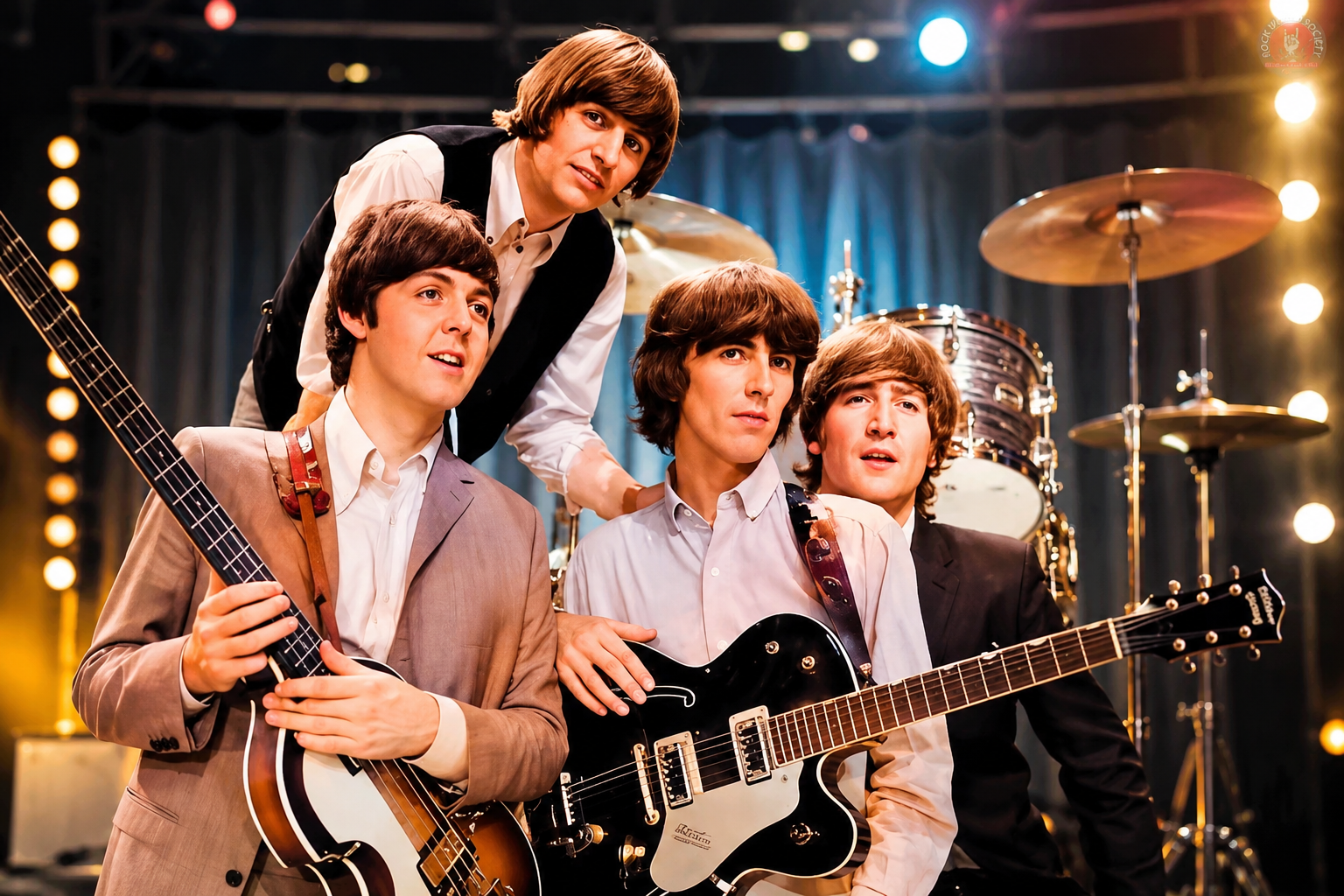
For more than half a century, The Beatles have remained one of the most beloved and influential bands in history. Their music changed culture, inspired generations, and created a level of fame the world had never seen before. To millions of fans, they looked untouchable. Four young men standing side by side while the entire world screamed their names.
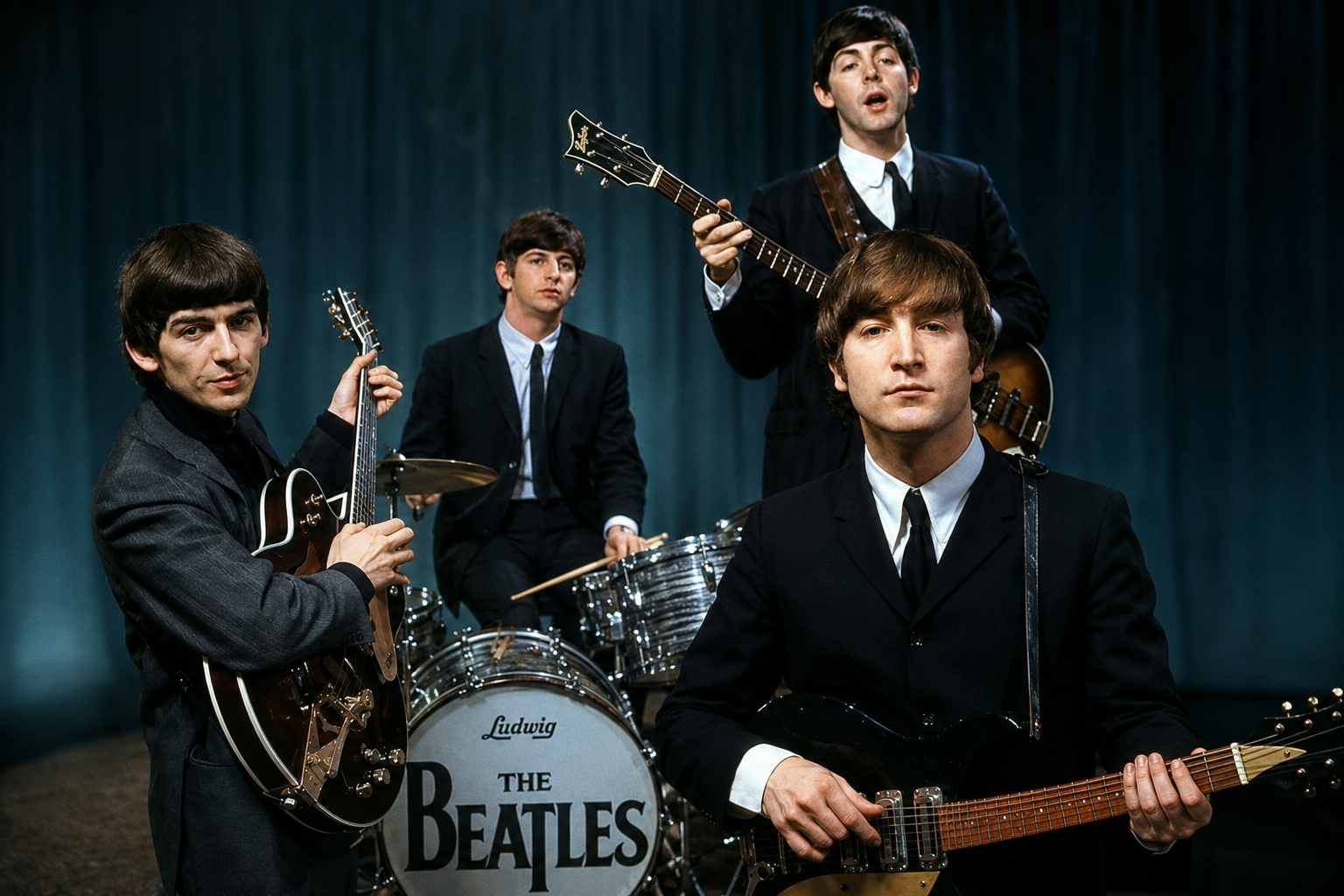
But behind the music, the smiles, and the mythology surrounding The Beatles was something far more emotional and human.
There was pain hidden beneath the success. There was loneliness behind the applause. There were friendships that slowly became fragile under the unbearable weight of fame. And perhaps most heartbreaking of all, there were four very different men quietly searching for peace while the world treated them like gods.
As the years passed, fans slowly began understanding that the real story of The Beatles was never only about music.
It was about four souls trying to survive extraordinary lives.
1. John Lennon Was The Loudest Beatle But Perhaps The Most Emotionally Fragile
John Lennon spent much of his life hiding deep emotional pain behind humor, rebellion, and sharp honesty. Long before The Beatles became famous, John experienced devastating loss. His parents separated during his childhood, and he was largely raised by his Aunt Mimi. Then, just as he began reconnecting emotionally with his mother Julia, tragedy struck. She was killed in a car accident when John was only seventeen years old.
Friends later believed that heartbreak shaped much of John’s personality forever.
Underneath his confidence was often insecurity, fear, and emotional vulnerability. Songs like Help! sounded energetic and catchy, but John later admitted the lyrics reflected genuine emotional exhaustion during Beatlemania. While the world envied his fame, John increasingly felt trapped inside it.
One of the lesser known truths about John Lennon was how deeply he craved emotional connection. His friendship with Paul McCartney became one of the most important relationships of his life because Paul understood his loneliness in ways few others could. Together they created music that felt emotionally alive because much of it came from real vulnerability.
As the years passed, John changed dramatically. His relationship with Yoko Ono transformed his worldview and artistic identity. While the media often blamed Yoko for “breaking up The Beatles,” the reality was far more complicated. John himself was already emotionally drifting away from the band, searching for identity beyond fame.
Yet despite tensions, people close to John often described him as deeply sensitive behind closed doors. He worried constantly about love, family, meaning, and whether people truly understood him. That vulnerability became even more heartbreaking after his death in 1980, when the surviving Beatles realized too late how much emotional history disappeared with him forever.
2. Paul McCartney Quietly Carried The Weight Of Holding Everything Together
To many fans, Paul McCartney appeared confident, disciplined, and emotionally stable compared to the others. But behind that image was a man quietly carrying enormous pressure for years.
After Beatlemania exploded worldwide, Paul increasingly became obsessed with keeping The Beatles functioning creatively. While John drifted emotionally and spiritually into new directions, Paul often felt responsible for preserving the group’s future. That pressure slowly transformed him into the perfectionist many bandmates later found overwhelming inside the studio.
But what many fans misunderstood was that Paul’s controlling behavior often came from fear rather than ego.
He feared losing the band.
He feared losing the family they had built together.
During the Let It Be sessions, cameras captured uncomfortable moments where Paul appeared frustrated and emotionally exhausted trying to keep everyone focused. Looking back now, many fans no longer see arrogance in those moments. They see desperation.
One of the saddest little known details about Paul McCartney is how deeply John Lennon’s death affected him emotionally for decades afterward. When reporters approached Paul shortly after John’s murder, his brief response “It’s a drag” was heavily criticized by the public. But later, fans realized Paul was simply in shock. He had lost someone who shaped nearly every important chapter of his youth.
As Paul grew older, he began speaking about John with increasing tenderness. He admitted he still dreamed about him. Sometimes during performances, his voice subtly changes whenever mentioning John or George. Even now, there are moments where Paul sounds less like a legendary musician and more like a man quietly missing his oldest friends.
3. George Harrison Quietly Felt Lonely Even While The Whole World Loved Him
Among all four Beatles, George Harrison may have been the most misunderstood.
While John and Paul dominated headlines, George often remained in the background. Yet behind that quiet personality was extraordinary emotional depth. By the late 1960s, George had evolved into a brilliant songwriter whose work could stand beside Lennon and McCartney at their best. Songs like Something and While My Guitar Gently Weeps proved he was far more than simply “the quiet Beatle.”
But George often felt creatively overlooked inside the band.
That frustration slowly became emotional isolation. During tense recording sessions, George sometimes felt invisible while John and Paul controlled the direction of the group. At one point during the Get Back sessions, tensions became so painful that George temporarily walked out entirely.
Yet George’s sadness went deeper than music.
Unlike the others, he seemed deeply uncomfortable with fame itself. While millions envied Beatlemania, George privately admitted that money and celebrity did not bring happiness. His spiritual journey into Indian philosophy, meditation, and friendship with Ravi Shankar became his way of searching for peace beyond fame.
One of the most heartbreaking truths about George Harrison is that even during his final illness, he still focused more on comforting others than himself. Near the end of his life, when Ringo Starr told George he needed to leave because his daughter was sick, George quietly asked:
“Do you want me to come with you?”
Even while dying, his instinct was still compassion.
That moment revealed who George Harrison truly was far more than fame ever could.
4. Ringo Starr Was Often Underestimated But Quietly Held The Beatles Together Emotionally
For decades, people underestimated Ringo Starr because he was not viewed as the primary songwriter or frontman. Yet many people close to The Beatles later admitted something important.
Ringo was often the emotional glue holding the group together.
Unlike the others, Ringo rarely sought control or attention. He possessed a calmness that balanced the stronger personalities surrounding him. During arguments, Ringo often acted as the peacemaker. His humor and warmth helped relieve tensions during emotionally exhausting periods.
One little known fact many fans later discovered was that Ringo temporarily left The Beatles during the White Album sessions because he felt unwanted and emotionally disconnected from the group. For a short time, he genuinely believed the others no longer valued him.
But when Ringo returned, he found his drum kit covered in flowers placed there by the other Beatles.
That simple gesture revealed something deeply emotional.
Despite the arguments, despite the growing tension, love between them still existed.
Ringo later admitted John Lennon’s death affected him profoundly for years. Unlike public expectations of rock stars, the surviving Beatles were not emotionally invincible. They were grieving lifelong friendships while the entire world watched them through the lens of legend rather than humanity.
Even today, many fans increasingly realize that Ringo’s kindness and emotional steadiness may have been one of the only things preventing The Beatles from collapsing even earlier.
5. The Beatles Were Never Just A Band They Were Four Men Trying To Survive Fame Together
The older people become, the more emotional the story of The Beatles begins to feel. At first glance, their journey still looks like the greatest success story in music history. Four young men from Liverpool transformed modern culture, changed songwriting forever, and became the most famous band the world had ever seen. Their faces were everywhere. Their music followed people through every decade of life. To millions of fans, they seemed untouchable, almost mythical, like four young men chosen by history itself. But behind the screaming crowds, the sold out stadiums, and the endless headlines was a quieter truth that became more heartbreaking with time. They were not prepared for what that level of fame would do to them emotionally. None of them truly understood that success could slowly isolate people from normal life, from privacy, from peace, and sometimes even from each other.
As Beatlemania exploded across the world, the lives of John Lennon, Paul McCartney, George Harrison, and Ringo Starr changed so violently and so quickly that there was almost no time to emotionally process what was happening. Everywhere they went, people screamed their names. Hotels became prisons. Concerts became impossible to hear over the noise of the crowds. The world worshipped them, but the four men inside the band increasingly struggled with loneliness in very different ways. John searched desperately for emotional honesty and identity beneath the fame. Paul quietly carried the exhausting pressure of trying to keep the group together while feeling it slowly slipping through his hands. George searched for spirituality and inner peace because success itself no longer fulfilled him emotionally. Ringo, often overlooked by the public, simply wanted stability and connection inside a friendship that was gradually becoming more fragile every year.
What makes The Beatles’ story so emotional decades later is not simply the breakup itself, but the fact that underneath all the tension, frustration, and distance, love between them never completely disappeared. They argued. They hurt one another. There were moments of jealousy, resentment, and emotional exhaustion that slowly pushed them apart. Yet even during their darkest years together, there were still small flashes of affection that revealed how deeply connected they remained underneath the damage. Old jokes during tense studio sessions. Quiet smiles between arguments. The way their voices softened whenever they spoke about the early years in Liverpool. Looking back now, many fans realize The Beatles did not feel like four celebrities destroying a business partnership. They felt like a family slowly realizing they no longer knew how to survive fame together without losing pieces of themselves in the process.
That emotional reality became even more painful after time separated them forever. When John Lennon died in 1980, something inside the surviving Beatles seemed to break permanently. Paul McCartney spent years speaking about John with the tenderness of someone still grieving a brother. George Harrison carried both love and unresolved sadness about the band deep into his later life. Ringo quietly admitted that the chemistry they once shared could never truly exist again after John was gone. And yet, despite everything, they never fully stopped being emotionally connected to one another. Even decades after the breakup, their music still sounded like conversations between people who knew each other more deeply than almost anyone else ever could.
Perhaps that is why songs like Let It Be, Here Comes the Sun, and Now And Then continue affecting listeners so profoundly today. The emotions inside those songs feel real because they were real. Beneath the melodies were four young men trying to survive pressure, loss, love, confusion, fame, and the fear of losing one another while the whole world watched. The Beatles were never simply singing about life from a distance. They were living through it in real time, carrying emotional wounds behind every song that later became timeless. And maybe that is the real reason the world still cannot let them go. Because beneath the legend, beneath the fame, and beneath the history, The Beatles always remained painfully human.